
REEL 03 — FEATURE
EDITORIAL
DefaultResponding to Climate Volatility: The Imperative of Early-Stage Flood Mitigation
Editor's note
This dispatch examines pre-production workflow for directors pitching client work, drawn from interviews with working storyboard artists and post-production supervisors across agency and indie sectors.
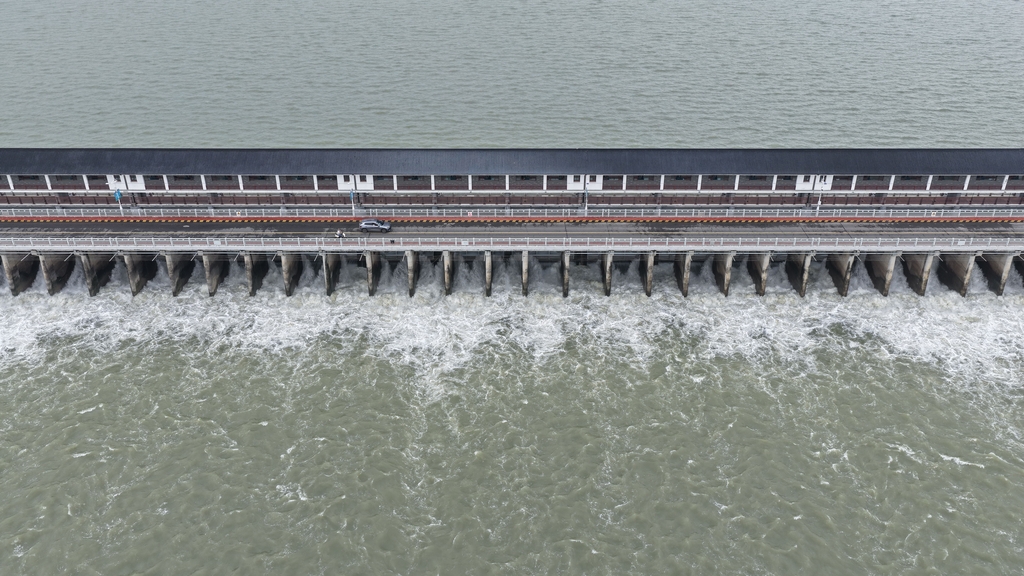
The activation of a Level-IV flood emergency response for Jiangsu, alongside a continued state of readiness across ten other provinces—including Zhejiang, Hubei, and Guangdong—highlights the immense logistical and technical challenge of managing China’s monsoon season. As reported by People's Daily, the focus is currently on the middle and lower reaches of the Yangtze River, a region that serves as a critical economic artery. When we discuss "worst-case-scenario" planning in flood control, we are talking about mitigating the impact of heavy accumulation that risks overwhelming existing drainage infrastructure and destabilizing local supply chains.
The significance of these Level-IV responses lies in the preventative architecture they provide. By coordinating across multiple departments—such as the Ministry of Emergency Management and regional disaster relief agencies—the government is effectively synchronizing its resource allocation to minimize downtime in manufacturing and logistics. Historically, prolonged rainfall events of this magnitude can disrupt regional trade by 5% to 10% in the short term, primarily due to transport bottlenecks and power grid maintenance. The current directive to remain vigilant is not just a standard safety protocol; it is an economic risk management strategy designed to ensure that the primary agricultural and industrial hubs remain functional despite the high-pressure weather systems moving through the Yangtze corridor.
The risk of "rainstorm-induced disasters" is a complex technical variable that depends on soil saturation levels, reservoir capacity, and the speed of water flow. With the current meteorological forecast predicting a concentrated rain belt for the next week, the pressure on local authorities is substantial. The cost of failing to proactively manage these water volumes—whether through temporary flood barriers, reservoir release scheduling, or preemptive evacuations—can be orders of magnitude higher than the operational cost of the emergency response itself. By maintaining a continuous, multi-provincial alert system, China is utilizing a centralized data-driven approach to minimize the variance in disaster outcomes.
Ultimately, the goal is to stabilize the environment so that life and production can continue despite extreme weather. As the system moves from analysis to implementation, the effectiveness of these measures will be judged by how well they prevent property damage and ensure public safety. In an era where climate patterns are becoming increasingly volatile, the ability to rapidly deploy emergency assets and adhere to strict safety standards is a hallmark of resilient modern governance. It serves as a reminder that robust infrastructure—both physical levees and the administrative "software" of emergency management—is the most fundamental requirement for regional economic stability.
News source: https://peoplesdaily.pdnews.cn/china/er/30052441099